
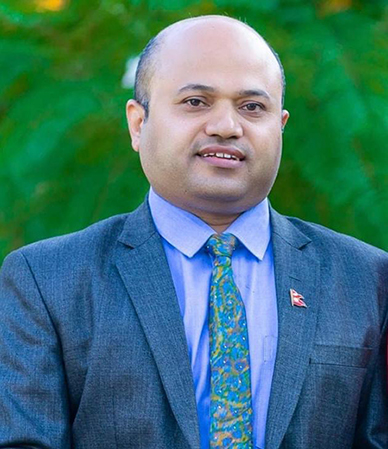
Raju Dhakal
president
Serving as the Medical Director at the Spinal Injury Rehabilitation Centre (SIRC), Nepal, Dr. Dhakal is a Physiatrist focused on comprehensive rehabilitation and program development. He is heavily involved in international initiatives, serving as an official representative for ISPRM-WHO SEARO. His primary aspirations involve advancing clinical expertise, research, and system strengthening at both national and international levels.
Visionary Goals
Clinical Journeys and Aspirations
Our specialists discuss what motivates them to serve individuals with disabilities and their aspirations for expanding care nationwide.
Can you share with us where you are currently in your professional journey?
I am currently practicing as a Physiatrist with a focus on comprehensive rehabilitation care for individuals with physical impairments, disabilities, and functional limitations. My work spans clinical rehabilitation, pain management, multidisciplinary team coordination, and program development, all aimed at helping patients regain independence and improve quality of life. Alongside clinical practice, I am actively engaged in academics, clinical administration, research, and national and international initiatives related to rehabilitation, functioning, and disability.
I currently serve as Medical Director and Consultant PM&R Physician at the Spinal Injury Rehabilitation Centre, Nepal, and as Program Director of the Physical Medicine and Rehabilitation Fellowship Program at Patan Academy of Health Sciences. I am also a participant in the Program for Academic Leadership through the Association of Academic Physiatrists (USA) and serve as an ISPRM–WHO SEARO official representative and LMIC Advisory Board member for the Cochrane Rehabilitation, Functioning and Disability Thematic Group.
What first drew you to PM&R, and what continues to motivate you in this field?
I chose Physical Medicine and Rehabilitation because it allows me to restore function rather than focus solely on disease. The specialty’s holistic, patient-centered philosophy addressing physical, psychological, and social aspects of recovery strongly resonated with me. Witnessing patients regain mobility, perform activities of daily living, communicate effectively, and reclaim their dignity and independence continues to be a powerful source of motivation.
In your view, how will PM&R shape the future of rehabilitation and disability care in Nepal?
PM&R will play an increasingly central role in strengthening rehabilitation systems in Nepal by establishing standards of care, expanding workforce capacity, and integrating rehabilitation across levels of healthcare. Through policy engagement, evidence-based practice, and multidisciplinary collaboration, PM&R can significantly improve access, quality, and continuity of rehabilitation services while advancing disability inclusion.
What are your personal and professional aspirations within the field of PM&R?
My aspiration is to contribute to the development of high-quality, accessible rehabilitation services, with particular emphasis on education, research, and system strengthening. I aim to continue advancing my clinical expertise, engage in teaching and mentorship, support workforce training, and promote evidence generation and innovation in PM&R. Ultimately, I hope to lead and contribute meaningfully to the fields of rehabilitation, functioning, and disability at both national and international levels.