
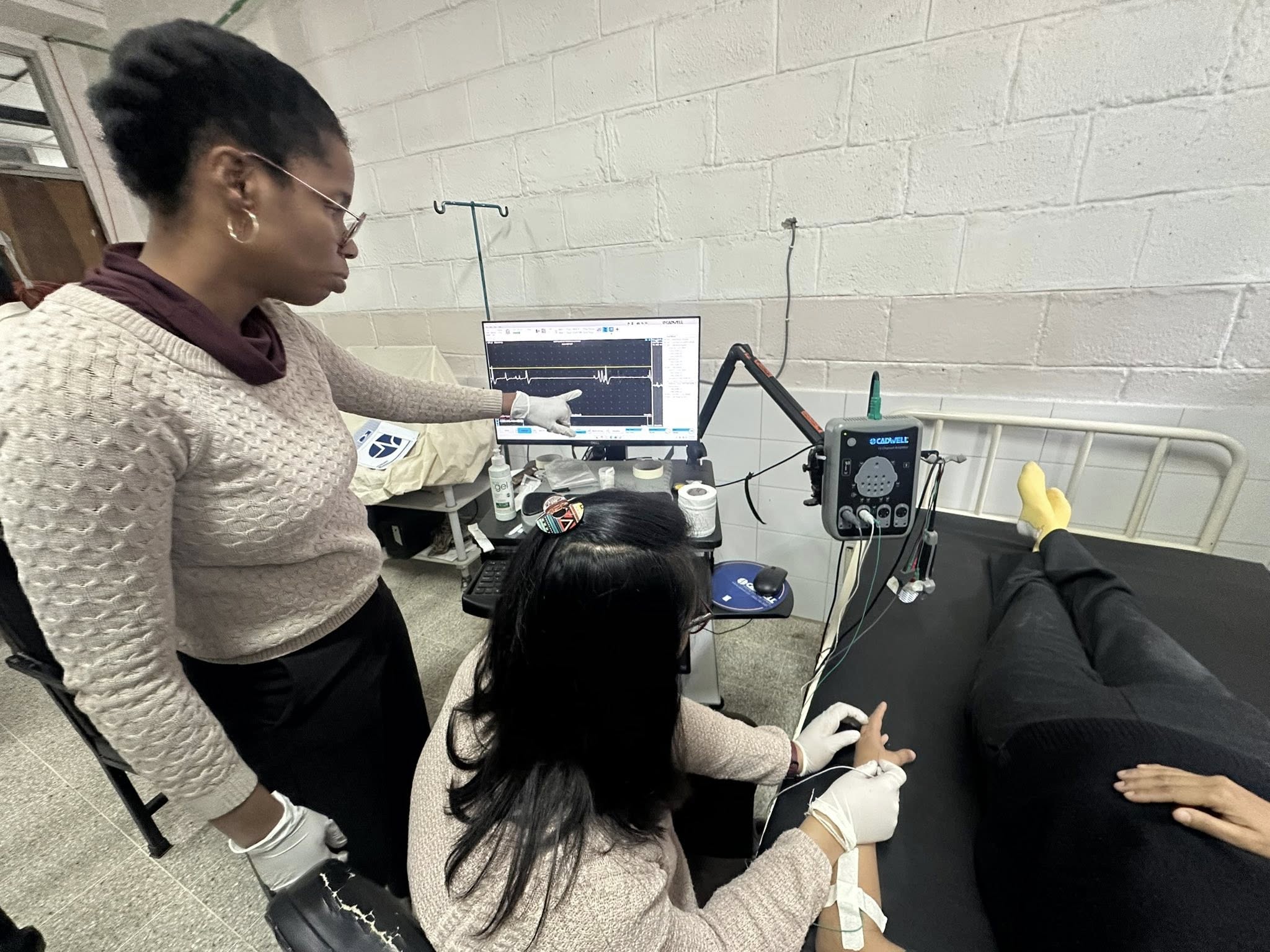
Electromyography (EMG) and Nerve Conduction Studies (NCS) are the “gold standard” for diagnosing neuromuscular disorders, but their clinical utility is entirely dependent on the precision of the practitioner. For clinicians in Nepal, maintaining high diagnostic standards requires strict adherence to technical protocols. Proper skin preparation is the first line of defense against diagnostic error; cleansing the skin thoroughly with alcohol is necessary to reduce impedance and ensure the recording electrodes capture clear, “noise-free” signals. Furthermore, limb temperature must be closely monitored and maintained, as even a slight drop in skin temperature can artificially slow conduction velocities, leading to a false diagnosis of neuropathy.
Technical Foundations for Diagnostic Accuracy
The first line of defense against diagnostic error begins with meticulous skin preparation and environmental control. Cleansing the patient’s skin thoroughly with alcohol is a non-negotiable step to reduce skin impedance, ensuring that recording electrodes capture clear, “noise-free” signals. Furthermore, limb temperature must be monitored with clinical vigilance throughout the examination. Even a slight drop in skin temperature can artificially slow conduction velocities and increase distal latencies, which may lead a practitioner to a false diagnosis of neuropathy. Ensuring the limb is sufficiently warmed is fundamental to obtaining data that reflects the patient’s true physiological state.
Electromyography is often described as the extension of the physical examination, providing an essential window into the physiological state of the peripheral nervous system. In our practice, we prioritize the highest technical standards—from meticulous skin preparation to the precise placement of electrodes—to ensure that every study yields actionable diagnostic data. By mastering these intricate techniques, we are able to provide patients with the clear answers they need to begin their journey toward recovery and functional independence.
EMG Specialist
Consistency in electrode placement and the use of standardized anatomical landmarks are equally critical for reproducible results. By following universal measurement protocols, such as fixed distances for sensory and motor conduction, clinicians ensure that their findings can be accurately compared against established global reference values. This standardization is what allows a diagnosis to remain valid across different clinical settings and follow-up consultations. Precise placement reduces the “volume conduction” from adjacent muscles, allowing the clinician to isolate the specific nerve or motor unit under investigation with high confidence.
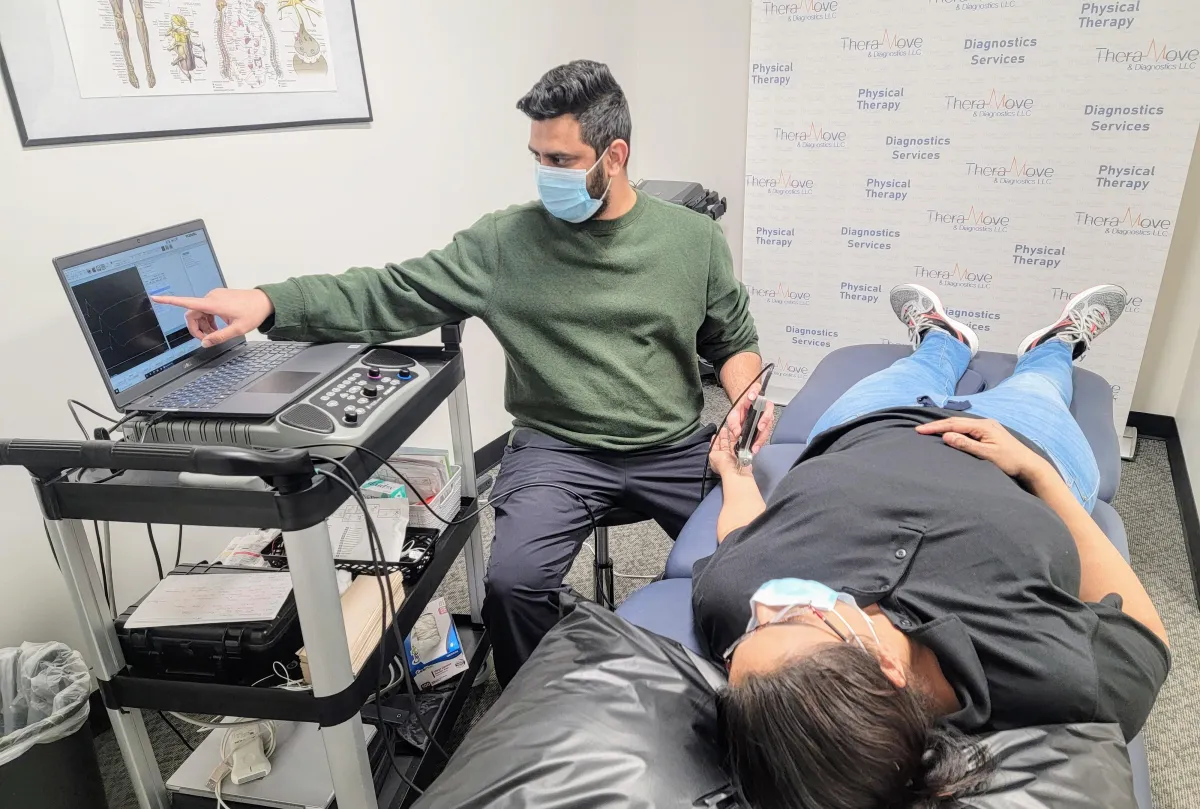
Finally, mastering the management of technical artifacts is essential for any high-level diagnostic practice. When practitioners encounter electrical interference, such as 60Hz noise from the surrounding environment, the first step should always be to verify the integrity of the grounding electrode and ensure the patient is properly isolated from external electronic devices. Troubleshooting these signals requires a deep understanding of the equipment and the clinical environment. By mastering these foundational technical skills, clinicians can provide the accurate diagnostic insights necessary to guide effective treatment plans, ultimately leading to significantly better functional outcomes for patients across the country.
